
led light mirror vanity
Understanding Pin Gauge Boxes A Comprehensive Overview In the realm of precision engineering and manufacturing, ensuring the accuracy of machined components is paramount. One of the indispensable tools in this domain is the pin gauge box, a device designed to provide a reliable means of measuring and verifying the dimensions of holes, slots, and various fittings. This article delves into what a pin gauge box is, its purpose, types, applications, and best practices for its use. What is a Pin Gauge Box? A pin gauge box is a collection of precisely manufactured pins of various diameters housed in a durable container. These pins, or gauge pins, are made from high-quality materials such as steel or tungsten carbide to ensure longevity and resistance to wear. Each pin is manufactured to exact specifications, enabling it to serve as a go/no-go gauge, ensuring that components fit within the desired tolerances. Purpose of a Pin Gauge Box The primary purpose of a pin gauge box is to facilitate the measurement of internal diameters, holes, and other dimensional features of manufactured parts. By using these pins, engineers and machinists can verify whether a particular hole is within the specified limits. The system typically consists of pins that represent the minimum and maximum allowable dimensions for the component being measured. Types of Pin Gauge Boxes Pin gauge boxes come in various types, tailored to meet different measurement needs 1. Go/No-Go Pin Gauges These gauges are used for quality control processes, where the Go pin must fit into a hole, while the No-Go pin must not. This simple binary assessment allows for immediate identification of parts that are outside tolerances. 2. Intermediate Pin Gauges These gauges fill the gaps between the sizes of go/no-go pins, providing a more refined assessment for components that require specific sizes. 3. Tapered Pin Gauges Some applications require tapered holes, and tapered pin gauges can accommodate these needs by providing a precise measurement option. 4. Custom Pin Gauges For specialized applications, manufacturers may create custom pin gauges tailored to specific dimensions and tolerances. pin gauge box Applications of Pin Gauge Boxes Pin gauge boxes are utilized across a myriad of industries, including - Manufacturing Ensuring that machined components meet required specifications before assembly. - Aerospace Verifying the dimensional accuracy of critical components that must adhere to stringent safety standards. - Automotive Inspecting parts for proper fits and tolerances to ensure the performance and safety of vehicles. - Medical Devices Ensuring that components meet strict regulatory requirements and function safely in medical applications. Best Practices for Using Pin Gauge Boxes To maximize the effectiveness and longevity of pin gauge boxes, follow these best practices 1. Calibration Regularly calibrate the pin gauges to ensure they remain accurate over time. This is particularly crucial for critical applications. 2. Cleanliness Keep pin gauges free from contaminants such as oil, dirt, or debris, which could affect measurement accuracy. Use appropriate cleaning methods and solutions. 3. Storage Store pin gauge boxes in a stable environment, protected from shock, temperature fluctuations, and humidity, which can lead to warping or corrosion. 4. Handling Always handle pin gauges with care, avoiding dropping or mishandling them, as this can lead to damage and inaccurate measurements. 5. Training Ensure that personnel who use pin gauge boxes are properly trained in their use, understanding not just how to measure but also the underlying principles of dimensional tolerance. Conclusion In summary, the pin gauge box is a vital tool in the field of precision engineering, offering a systematic approach to measuring and ensuring dimensional accuracy in manufactured parts. With a variety of types tailored to different needs, the pin gauge box plays a crucial role in maintaining quality across industries. By adhering to best practices in their use and maintenance, manufacturers can ensure that their precision measurement tools serve them effectively, contributing to the overall quality and reliability of their products.
about
led light mirror vanity
Understanding Stop and Check Valves Functionality and Applications Stop and check valves are essential components in various industrial and mechanical systems. They serve fundamental roles in controlling fluid flow, ensuring safety, and maintaining operational efficiency in pipelines and other fluid transport systems. What is a Stop and Check Valve? A stop and check valve is a combination of two distinct types of valves a stop valve and a check valve. The stop valve is designed to shut off the flow of media when required, while the check valve allows flow in one direction but prevents backflow. This dual functionality makes the stop and check valve an invaluable asset in many applications, particularly where fluid control and prevention of reverse flow are critical. How Does It Work? The operation of a stop and check valve is relatively straightforward. When the valve is in the 'open' position, fluid is allowed to flow through. If the need arises to stop the flow, the stop valve can be actuated to close. Simultaneously, the check valve functionality ensures that, regardless of any pressure changes downstream, liquid cannot flow back into the upstream system. One of the critical features of a stop and check valve is the mechanism that prevents backflow. This is typically achieved through a movable disc or ball that only opens with forward flow and closes tightly against the seat in the absence of forward pressure. The design of these valves can vary, featuring rising or non-rising stems, and can be actuated manually or through automation, depending on the application. Applications of Stop and Check Valves Stop and check valves find applications across numerous industries, including water management, oil and gas, chemical processing, and HVAC systems. Here are some specific uses 1. Water and Wastewater Treatment In water treatment facilities, stop and check valves regulate flow and prevent contaminated water from backflowing into clean water lines. They are crucial in maintaining water quality and system integrity. stop and check valve 2. Oil and Gas Industry These valves are essential in pipelines and storage tanks, where they control the flow of crude oil, natural gas, and refined products. They prevent dangerous backflow that could lead to leaks or spills. 3. Cooling Systems In HVAC applications, stop and check valves regulate coolant flow within the system. They help ensure that the cooling cycle operates efficiently and that the refrigerant does not flow backward into parts of the system where it could cause damage. 4. Pump Protection Stop and check valves are often used in conjunction with pumps to ensure that water or other fluids do not flow back into the pump when it is turned off. This is crucial for protecting pump integrity and prolonging its operational lifespan. 5. Fire Protection Systems In fire suppression systems, these valves play a vital role in ensuring that water flows only in the designated direction, allowing for effective firefighting while preventing backflow that could compromise system integrity. Benefits of Using Stop and Check Valves The primary advantages of stop and check valves include their ability to provide both stopping and check functionalities in one device, reducing space and cost compared to using two separate valves. They enhance the safety of fluid handling systems and streamline operations by allowing for a more straightforward installation and maintenance process. Moreover, modern stop and check valves are designed to be durable and reliable, constructed from high-grade materials such as stainless steel or PVC, ensuring they withstand high pressures and corrosive environments. This durability translates into reduced downtime and lower maintenance costs over the lifecycle of the valve. Conclusion In summary, stop and check valves are critical components that enhance the safety and efficiency of fluid handling systems across various industries. Their unique ability to control flow and prevent backflow makes them indispensable in applications where fluid integrity is paramount. As technology advances, the design and functionality of these valves will continue to evolve, providing even greater benefits to engineers and operators in managing complex fluid systems. Understanding and utilizing stop and check valves effectively can lead to improved performance, safety, and reliability in any fluid handling application.
-

High quality industrial productsagement

High quality industrial products
View Details -

Meet the diverse needs of customers

Meet the diverse needs of customers
View Details -

Strict quality control

Strict quality control
View Details -

Top raw materials

Top raw materials
View Details -

Trusted supplier

Trusted supplier
View Details
Our application


news and information
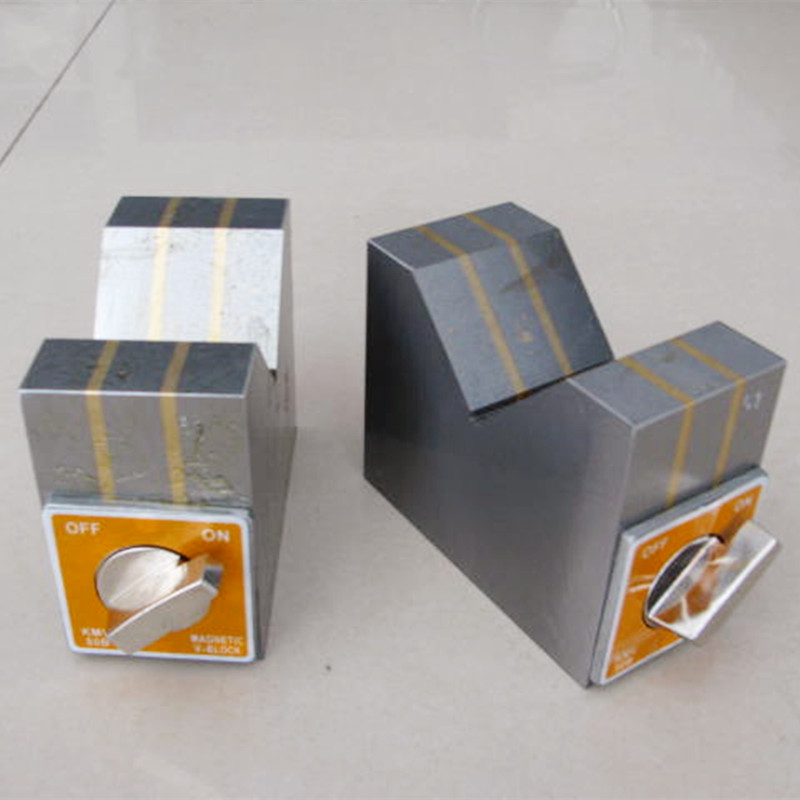
Versatile 5 8% Welding Table Clamps for Precision Metalworking and Fabrication
The Importance of 5% and 208% Welding Table Clamps in Modern Fabrication In the world of metal fabri

y shaped strainer
The Y-shaped strainer, a relatively lesser-known but essential component in various industries, play

water check valve
Understanding Water Check Valves Function, Types, and Importance Water check valves play a crucial r
 English